
Family-owned paving & masonry contractor serving New Jersey for 30+ years · Licensed & insured
New Jersey paving & masonry contractor
New construction, resurfacing, repairs, sealcoating and striping for business, church, HOA and multi-family parking lots, scheduled to keep you open.
Three decades paving NJ properties
Fully licensed NJ contractor
Owner-led, hands-on projects
Written, no-obligation quotes
Overview
Quick answer
Old Irish Paving & Masonry paves, resurfaces and maintains commercial parking lots across New Jersey, including new lot construction, milling and overlays, pothole and patch repair, crack sealing, sealcoating, line striping and drainage corrections. We phase work to keep entrances and parking available.
Your parking lot is the first and last thing customers, tenants and visitors experience. Potholes, trip hazards and faded lines look bad and create liability. Water that ponds and freezes creates slip-and-fall risks. A well-built, well-maintained lot protects both your property and your reputation.
Key facts
Problems we solve
Most calls we get start with a problem, not a project. Here are the issues New Jersey homeowners and property managers bring to us most often, what causes them, and how we fix them for good.
What you seeWater collects in low spots and freezes into slip hazards.
Why it happensSettled areas, clogged or raised catch basins, or poor original grading.
How we fix itWe regrade low areas, rebuild catch basins and correct the slope during overlays.
How to prevent itKeep drains clear and fix settling early.
What you seeLines you can’t see, confusing traffic flow, unclear accessible parking.
Why it happensWear and sealcoating without re-striping.
How we fix itWe sealcoat and re-stripe stalls, arrows, fire lanes and accessible spaces.
How to prevent itRe-stripe after every sealcoat.
What you seeLoose stones, rough texture and a gray, oxidized surface.
Why it happensAge and UV, often with no sealcoat history.
How we fix itMill and overlay when the base is sound, or a full-depth rebuild where it has failed.
How to prevent itSealcoat every 2–3 years.
What you seeBroken curbs, trip hazards at entrances and failing ramps.
Why it happensVehicle impacts, plows, frost and roots.
How we fix itWe replace damaged curb and sidewalk sections and rebuild accessible ramps.
How to prevent itInstall wheel stops where cars hit curbs.
What you seePotholes at entrances, dumpster areas and drive lanes, along with complaints from customers or tenants.
Why it happensHeavy trucks on a section designed for cars, plus water in the base.
How we fix itFull-depth patching with thicker asphalt sections in truck routes, and concrete pads under dumpsters.
How to prevent itCrack seal every 1–2 years and patch promptly.
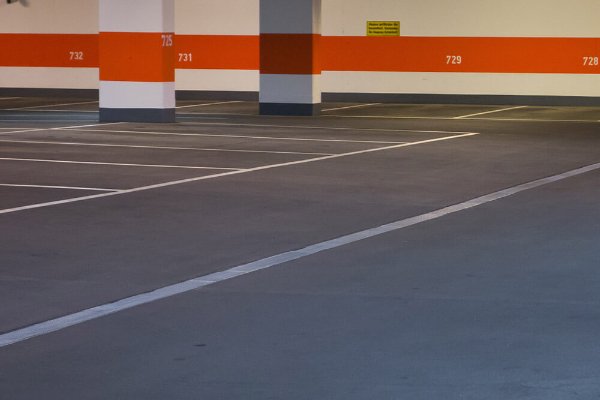
We walk the lot with you to identify problem areas, traffic flow and the times you can’t afford to be closed. Large lots can be paved in sections so part of the lot always stays open, and we coordinate signage and access with you. A written proposal explains each scope item so you can budget now or phase work over several seasons.
Our process
Tom or a family member walks the property, measures, checks drainage and talks through materials and budget.
You get a clear, itemised quote covering excavation, base depth, materials, finish and clean-up. No pressure.
Our own crew excavates, builds the compacted base and installs the surface using quality materials.
We clean up, walk the finished job with you, explain aftercare and stand behind the work.
| Task | Typical frequency |
|---|---|
| Crack sealing | Every 1–2 years, as needed |
| Sealcoating | Every 2–3 years |
| Re-striping | After every sealcoat, or when faded |
| Pothole/patch repair | As soon as they appear |
| Mill & overlay | When surface is worn but base is sound (often 12–20 years) |
Walk your lot and note:
Send us your notes or photos, or ask for a free site survey, and we’ll prioritise repairs by safety, urgency and budget.
| Condition | Typical solution |
|---|---|
| Isolated cracks, sound surface | Crack sealing + sealcoat |
| Scattered potholes | Full-depth patching |
| Worn, oxidized surface on a sound base | Mill and overlay |
| Widespread base failure, poor drainage | Reconstruction of failed areas or the whole lot |
Plan with confidence
| Season | What to do |
|---|---|
| Spring | Survey the post-winter damage. |
| Summer | Sealcoat and stripe. |
| Fall | Patch before freeze-up. |
| Winter | Plow carefully and mark drains. |
Reviews
★★★★★
My sister hired Old Irish for cellar stairs and basement wall work. They arrived early, never left until 5 or after, and always cleaned up. They also told her about leakage inside her foundation and did a great job fixing it.
— Connie B., Google review
★★★★★
Last fall the Old Irish Paving crew repaired our front slate porch and our paver walkway and they did a great job! They came back to complete a minor repair and we are very happy. We are considering using them again for another project.
— Kathleen N., Google review
★★★★★
Wow! What an amazing paving & masonry company. This family-owned company is so knowledgeable and professional. The team gave our home such a clean and upgraded look.
— John Q., Google review
FAQ
Usually, yes. We phase the work, pave sections at a time, and can schedule evening or weekend work where it’s feasible.
An overlay mills and repaves the top layer when the base is still good. Full replacement removes everything and rebuilds the base where it has failed. Many lots need a mix of both.
Yes. We lay out and stripe stalls, arrows, fire lanes and accessible spaces.
Yes. We provide detailed proposals for board or owner approval and can set up recurring maintenance.
Typically every 2–3 years, with crack sealing every 1–2 years and re-striping after each sealcoat.
Garbage trucks put heavy loads on a small area. A reinforced concrete pad there prevents repeated failures.
Free, no-obligation quote
Tell us about your driveway, patio, steps or masonry project. Tom or a member of the family will call you back promptly to book a free on-site visit and a written quote.
Prefer to talk? (908) 992-2345